
Challenges in Retaining Women in Conservation
A 2019 report from the World Wildlife Fund, titled “Life on the Frontline,” highlights a significant gender disparity in the wildlife ranger profession in Africa, where men account for nearly 89% of the workforce, leaving only 11% of positions filled by women. This gender imbalance extends into leadership roles within conservation, despite the fact that women now earn more than half of all degrees in conservation science. Many women in this field express frustration at the lack of representation in leadership positions, which can hinder their career advancement.
Women’s Month: A Call for Support in Conservation Careers
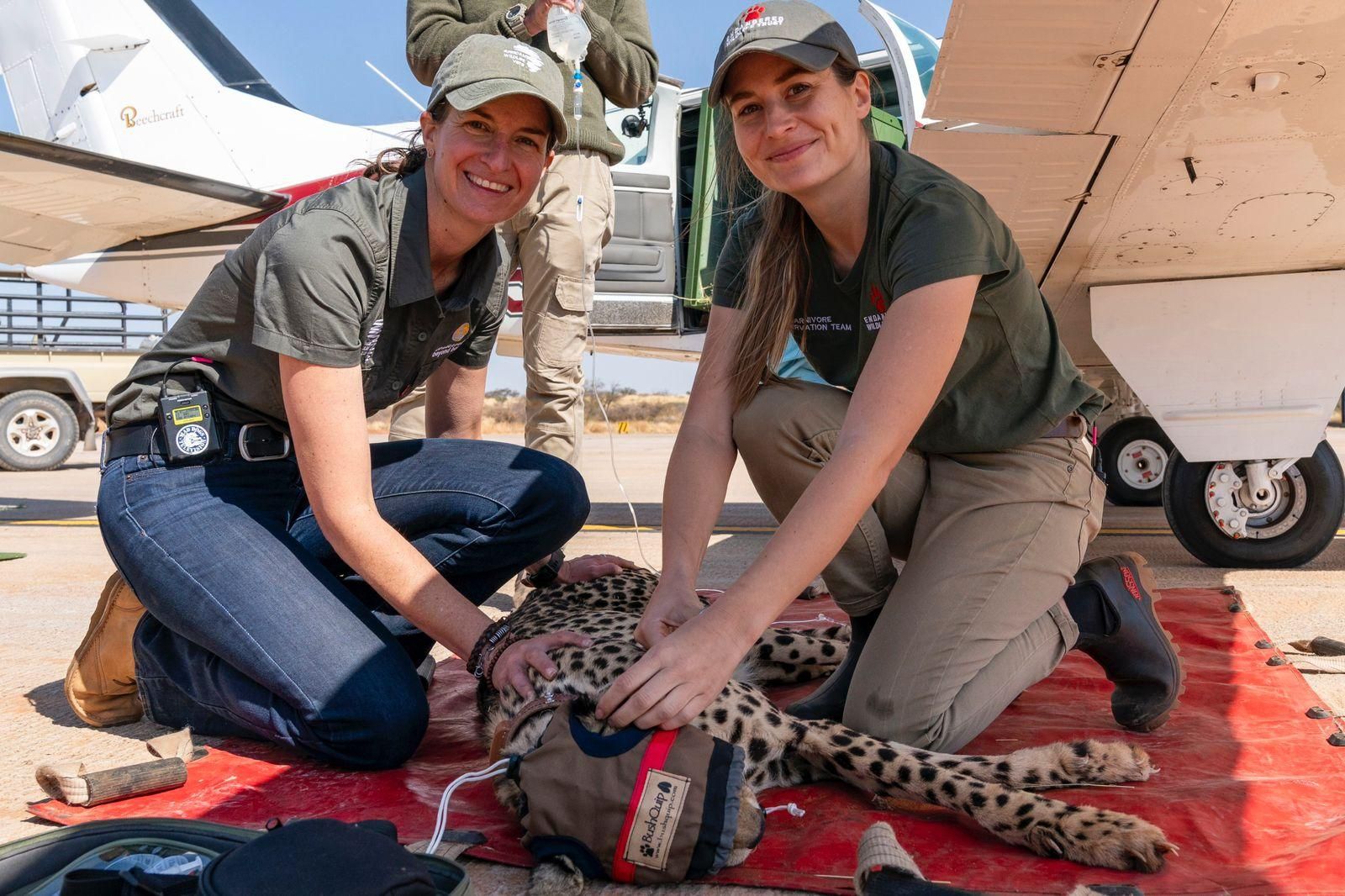
Olivia Sievert, who coordinates the Cheetah Range Expansion project and the Cheetah Advisory Group at the Endangered Wildlife Trust (EWT), notes that Women’s Month serves as a crucial opportunity for organizations to evaluate how they can foster long-term career development for women in the conservation sector. Sievert emphasizes that conservation is predominantly male-driven, especially in senior roles, which is particularly evident in large carnivore conservation efforts. She recounts personal experiences of being undervalued as a woman, particularly while working in remote areas. Despite her successes in leading projects, she often felt underestimated by her male counterparts. Early in her career, she found it challenging to gain access to opportunities because she did not belong to the “boys club,” where informal decision-making often took place during weekend gatherings. Sievert had to learn to assert herself, advocate for her ideas, and remain steadfast in her principles and expertise, pushing herself outside of her comfort zone to earn recognition and respect.
The Journey into Conservation
Originally from Halifax, Canada, Sievert’s journey into conservation was somewhat serendipitous rather than meticulously planned. Her passion for the outdoors and wildlife led her to seize various opportunities, often juggling them with her university studies and two restaurant jobs. During her time at university, she volunteered at a conservation lab employing detection dogs to locate hibernation sites for endangered reptiles and dedicated one day a week to a wildlife rehabilitation center. Following her graduation, she was fortunate to land a three-month position at a wildlife rehabilitation center in Malawi. This coincided with a surge in conservation efforts in the region, opening doors for her. Within three years, she found herself monitoring a cheetah reintroduction project in Liwonde National Park, which ignited her passion for cheetahs. This experience led her to pursue a master’s degree in Conservation Ecology focused on that project. By 2023, after more than eight years working across various wildlife species in Malawi, she joined the Endangered Wildlife Trust to coordinate their cheetah conservation initiatives.
A Milestone Project in Cheetah Conservation
One of the highlights of Sievert’s career was her involvement in the 2017 reintroduction of cheetahs to Liwonde National Park, a collaborative project involving the EWT, African Parks, and Malawi’s Department of National Parks and Wildlife. As the project monitor, she was responsible for tracking each cheetah daily, observing their acclimatization to the new environment, successful cub rearing, and the establishment of a second generation. Today, the cheetah population has increased to over 21 individuals, which Sievert describes as a significant conservation achievement. In her role at EWT, she was later invited to assist in enhancing the genetic diversity of the population by sourcing and relocating new female cheetahs from South Africa to Malawi, marking a full-circle moment in her career.
The Importance of Cheetahs and Conservation Efforts
Sievert explains that cheetahs are essential to their ecosystems, but like many species, they are quietly facing extinction. It is alarming that such an iconic species, synonymous with African culture and brands, could be on the verge of disappearing without many people recognizing the urgency. Protecting cheetahs also means safeguarding their habitats, which is crucial for the survival of numerous other species and entire ecosystems. In conservation, addressing human-induced threats to the environment is a constant challenge, whether those threats are intentional or not. For cheetahs, one of the greatest global threats is their dwindling population size and significant loss of their historical habitat, which now encompasses less than 9% of their original range. While there are ongoing restoration efforts in protected areas across the continent, the growth of cheetah populations is rare and often too far apart to allow for natural recolonization. Therefore, substantial human intervention, such as relocations and reintroductions into safe habitats, is essential for reestablishing cheetah populations in their former territories.
The Dynamic Nature of Conservation Work
Sievert notes that every day in conservation presents new challenges and experiences. As one advances in their career, they may find themselves spending more time behind a desk handling administrative tasks like emails, payment processing, and report writing. However, the variety of experiences keeps the job exciting; one day may involve helping to catch a cheetah that has strayed beyond its boundaries, while another could include hosting a large stakeholder meeting to discuss pressing conservation issues, followed by relocating cheetahs to new habitats over the weekend.
Encouraging the Next Generation of Conservationists
Sievert encourages women and girls aspiring to enter the conservation field to seek out mentors and role models who can provide guidance throughout their early careers, as this support is invaluable. She acknowledges that the journey may not always be straightforward and that discrimination is a sad reality many will face. Nevertheless, she urges aspiring conservationists not to let others define their worth, emphasizing that with determination, they can achieve their goals and accomplish remarkable things.


